June 15, 2026
Adding a custom deck can improve how a home looks, feels, and functions while supporting long-term property value. For many homeowners, outdoor living space is no longer viewed as an extra feature. It is a practical extension of the home that can support entertaining, relaxing, dining, and everyday enjoyment.
A well-planned deck can also help a property stand out in a competitive real estate market. When the design complements the home, uses durable materials, and meets local building standards, it can create stronger buyer interest and make the property feel more complete.
Property Value and Outdoor Improvements
Property value is shaped by location, market conditions, home size, condition, layout, and buyer demand. While no single improvement guarantees a specific return, thoughtful upgrades can make a home more appealing and functional. Exterior improvements are especially valuable because they affect both curb appeal and lifestyle potential.
Outdoor living features have become popular because they help homeowners use more of their property. A custom deck can create a defined area for gatherings, quiet mornings, cookouts, or seasonal relaxation. This added usability can make a home feel larger without the cost of a full interior addition.
According to Forbes, a new patio can add up to $25,000 to the market value of a home. This highlights how outdoor living improvements can positively influence resale appeal and buyer perception when they are thoughtfully designed and integrated into the property.
Buyer Appeal and First Impressions
First impressions matter when buyers evaluate a home. A clean, attractive outdoor space can make the property feel better maintained and more inviting. When buyers can easily picture themselves using the space, they may view the home as more desirable.
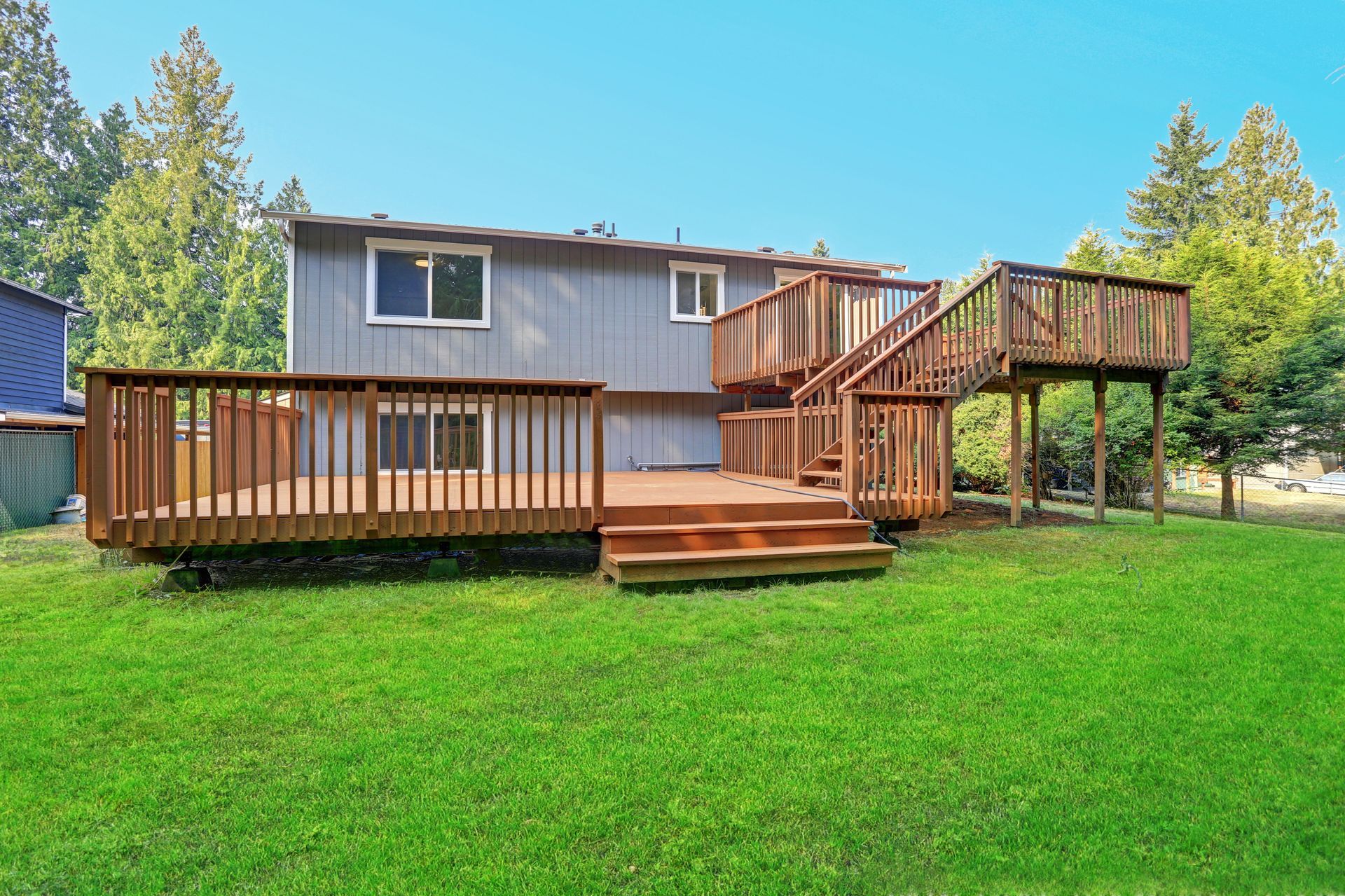
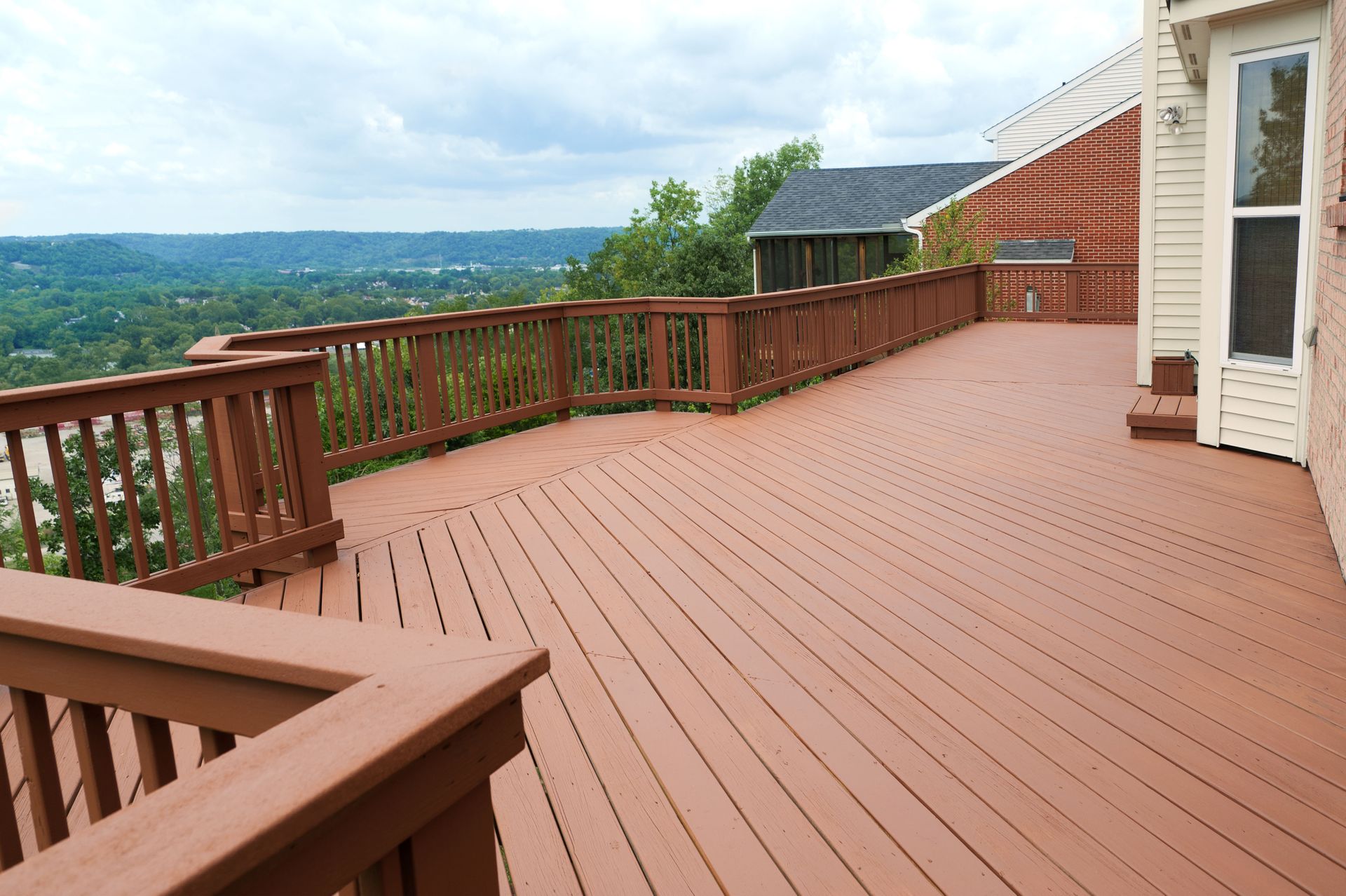
A custom deck also adds visual structure to a backyard. Instead of an unused lawn or plain patio area, homeowners gain a finished space with purpose. Railings, stairs, lighting, seating, and built-in planters can all contribute to a polished appearance that supports resale appeal.
Design Features That Add Value
Design plays a major role in how much value a deck adds. A simple platform may provide basic function, but a well-designed outdoor living area can feel like a natural part of the home. The best designs consider traffic flow, privacy, views, shade, and access from interior spaces.
Features such as built-in benches, pergolas, lighting, privacy screens, and separate activity zones can make the space more versatile. A custom deck that includes areas for dining, lounging, and grilling can serve multiple purposes while improving everyday convenience for the homeowner.
Material Choices and Long-Term Performance
Material selection affects appearance, maintenance, durability, and long-term value. Wood offers a classic look and can be appealing for homeowners who prefer natural materials. However, it often requires regular staining, sealing, and inspection to remain in good condition.
Composite and PVC decking materials may cost more upfront, but they often require less maintenance over time. These materials resist moisture, fading, insects, and rot better than many traditional options. Choosing the right material for the local climate can help protect the investment and reduce future repair concerns.
Return on Investment Considerations
The return on a deck investment depends on construction quality, project cost, material selection, design, location, and market demand. A poorly built deck may create concerns for buyers, while a professionally built structure can improve confidence in the home’s condition.
A custom deck can offer both financial and lifestyle returns. Homeowners may enjoy the space for years before selling, which adds personal value beyond resale numbers. When the time comes to list the home, the deck can become a strong selling feature that helps the property feel move-in ready.
Home Architecture and Landscape Integration
A deck should look like it belongs with the home. The most successful projects match or complement the home’s exterior style, colors, trim, and overall layout. When the deck feels disconnected from the house, it may reduce visual appeal instead of improving it.
Landscape integration is equally important. Stairs, walkways, garden beds, retaining walls, and lighting can connect the deck to the yard. A custom deck that blends with the landscape can create a smooth transition between indoor and outdoor spaces while improving the overall property experience.
Climate and Maintenance Planning
Climate should guide deck planning from the beginning. Homes in rainy or humid regions may need moisture-resistant materials, proper ventilation, and strong drainage details. Homes in sunny climates may benefit from UV-resistant finishes, shade structures, or lighter materials that stay cooler.
Maintenance also affects long-term value. Regular cleaning, inspection, sealing, and repairs can help preserve the deck’s safety and appearance. Homeowners who plan for maintenance early are more likely to protect the structure and avoid larger costs later.
Budgeting and Contractor Selection
A realistic budget should include materials, labor, permits, design features, site preparation, stairs, railings, lighting, and contingency costs. Planning ahead helps homeowners avoid surprise expenses and make better decisions about where to invest.
Choosing the right contractor is just as important as choosing the right design. Homeowners should look for experience, references, licensing, insurance, clear communication, and examples of completed projects. A reliable builder can help turn a custom deck idea into a safe, attractive, and durable addition.
Permits, Safety, and Building Codes
Deck construction must follow local building codes and permit requirements. These rules help protect safety by addressing structural support, railing height, stair design, load capacity, setbacks, and attachment methods. Skipping permits can create problems during inspections, insurance claims, or future home sales.
Proper construction also gives buyers more confidence. When a deck is built correctly and documented properly, it becomes an asset instead of a potential concern. Safety-focused planning helps protect both the homeowner’s investment and the people who use the space.
Common Challenges and Practical Solutions
Common challenges include budget overruns, weather delays, poor material choices, drainage problems, and designs that do not match the home. These issues can often be reduced through careful planning and open communication with the contractor.
Homeowners should review drawings, timelines, materials, warranties, and payment schedules before work begins. A deck project is easier to manage when expectations are clear from the start. Regular updates during construction can also help keep the project aligned with the homeowner’s goals.
Homeowners should also consider how a deck supports year-round functionality and outdoor comfort. Features such as covered sections, outdoor fans, fire pits, and weather-resistant furniture can help extend the usability of the space across different seasons. In many neighborhoods, buyers are actively looking for homes with comfortable outdoor gathering areas because they provide additional space for hosting family events or relaxing after work.
A thoughtfully designed layout can also improve privacy by creating separation from neighboring properties. When outdoor features are combined with durable materials and cohesive landscaping, the backyard can feel more like an extension of the interior living space rather than a separate area.
A deck can increase property value when it is thoughtfully designed, well built, and properly maintained. It adds usable outdoor living space, improves backyard appeal, and creates a feature many buyers find attractive. While the exact return varies, the combination of daily enjoyment and potential resale appeal makes it a meaningful home improvement. For homeowners considering exterior upgrades, a
custom deck can be a smart investment when planned with care. Strong materials, professional construction, architectural harmony, and realistic budgeting all contribute to lasting value. With the right approach, this outdoor addition can improve both the home’s marketability and the homeowner’s quality of life. Contact our team at Volunteer Construction Services today and learn more about our contractor services.