November 17, 2026
An open porch offers a place to enjoy fresh air, but insects, harsh sunlight, and changing weather can limit how often it gets used. Enclosing the space can make everyday activities more comfortable while preserving a connection to the yard. The right design depends on the structure, climate, and desired temperature control.
A porch enclosure should fit the way people live rather than simply follow a popular style. Consider seating, access to the garden, and future maintenance. These design ideas can help turn an underused porch into a more practical place to gather, read, or relax.
Start With a Traditional Screened-In Porch
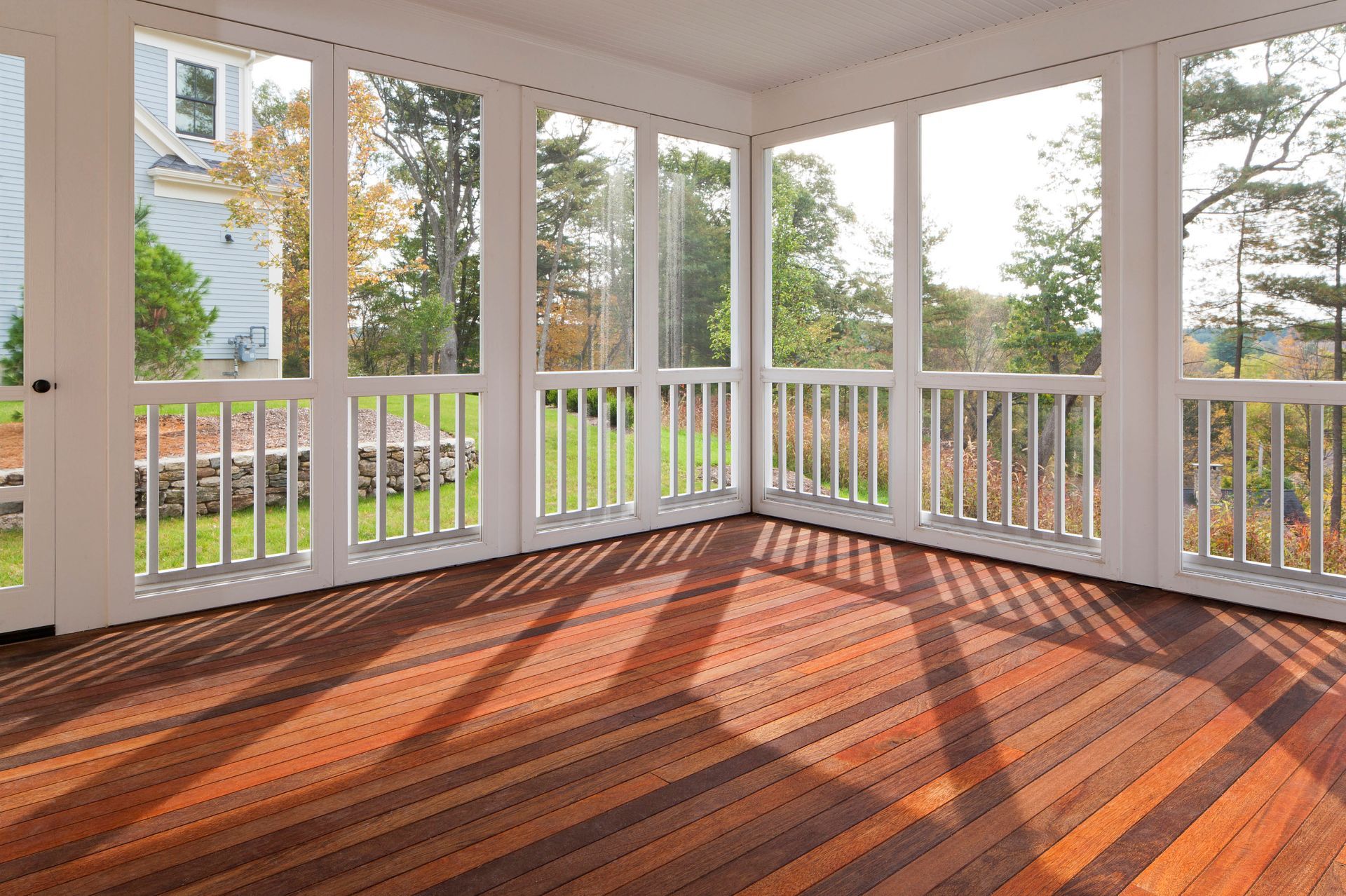
A screened-in design is a practical choice for households that enjoy outdoor air but want a barrier against mosquitoes and other flying insects. Screens maintain views and ventilation without requiring the construction of a fully conditioned room. Screens do not keep the space warm in winter. Windblown rain can still reach furnishings, especially during strong storms.
According to Houzz, 14% of homeowners upgrading outdoor structures in its 2026 U.S. Outdoor Trends Study included screened-in porches. Popularity alone does not mean screening suits every home.
Before planning a porch enclosure, check whether the existing roof, floor, and supports can accommodate new framing and screens. A contractor can identify repairs that should happen first and explain how to protect the structure from water intrusion.
Select Screens and Frames for Daily Use
Screen material affects visibility, durability, and upkeep. Fiberglass screening is flexible and commonly used, while aluminum can resist certain kinds of damage but may dent if struck. Specialized products offer tighter mesh or reduced glare, although they can also affect airflow and the view. View samples in daylight.
Frame materials need similar consideration. Painted aluminum, properly finished wood, and other approved framing systems have different maintenance requirements. Exposed connections and fasteners should be suitable for the climate, particularly in humid or coastal locations.
If pets share the space, ask whether reinforced screening is appropriate in areas they can reach. Consider door placement and easy access for replacing damaged panels. Practical details like these help a porch remain pleasant to use long after the initial installation.
Connect the Design With the Home's Architecture
An enclosure looks more intentional when its roofline, posts, trim, and colors relate to the house. Complementary finishes can connect indoor and outdoor spaces. For example, simple dark frames may suit a contemporary exterior, while painted wood details can work with a more traditional porch.
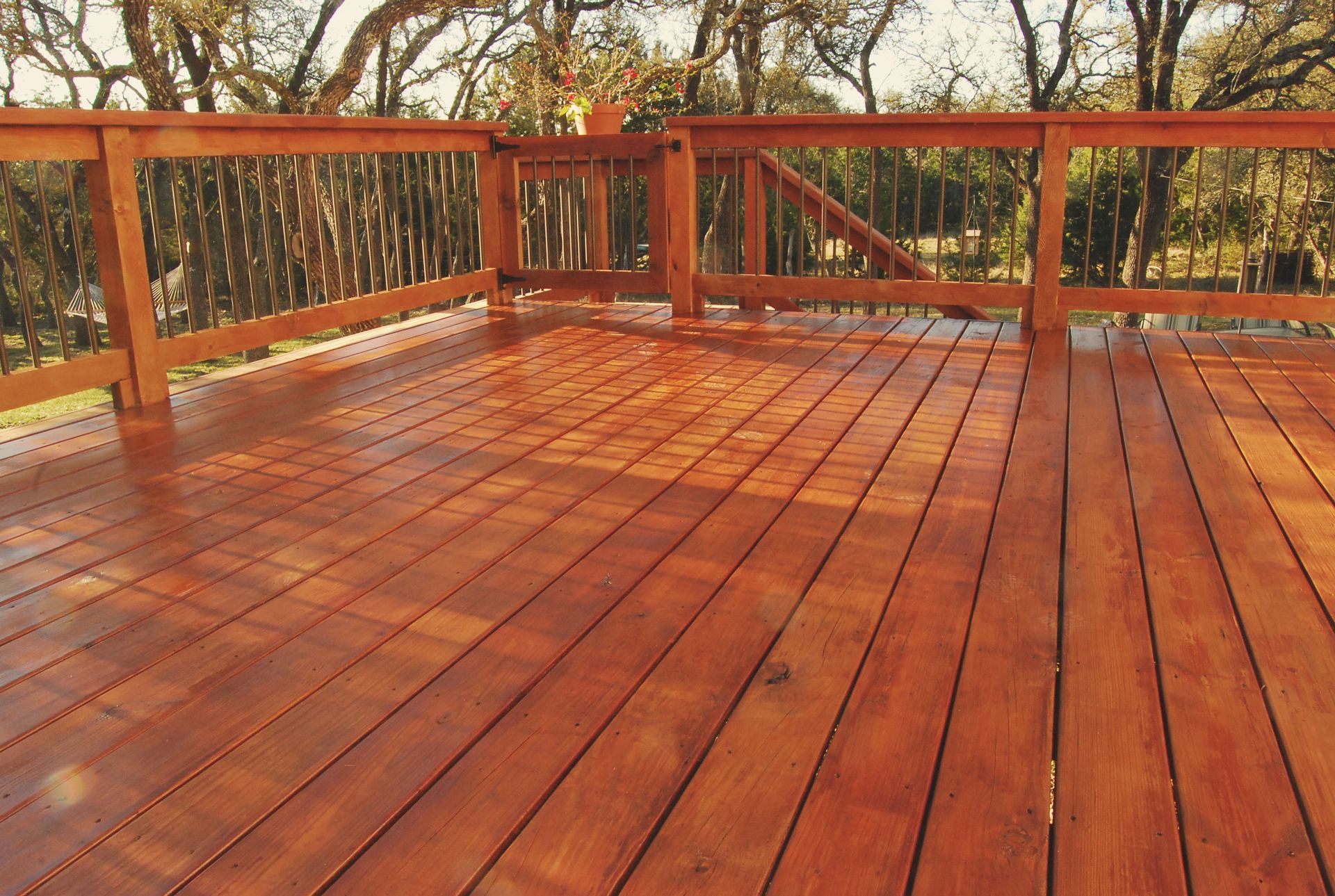
Flooring matters as much as the walls. Existing decking should be inspected for stability and moisture problems before it is covered or surrounded by new framing. Materials that tolerate changing temperatures and occasional rain are often better choices for an unconditioned space than delicate indoor finishes.
Leave sightlines toward landscaping open. Keep furniture and structural elements away from doors and stairways so the space remains easy to enter and exit.
Make Room for Privacy and Adjustable Shade
Screens block many insects, but they provide limited privacy when neighboring homes sit close together. Decorative panels, carefully placed planters, or exterior shades can reduce direct views into seating areas. Prioritize privacy without making the entire porch feel dark.
Retractable shades offer flexibility as the sun changes position. Choose products intended for exterior exposure and confirm how they should be secured during high winds. Plants can soften the boundaries of the space, but large containers need stable support and adequate drainage.
A porch enclosure can feel more comfortable when privacy and shade work together. Check the afternoon sun angle before choosing screen colors or window treatments. The solution should preserve safe access and enough natural light for the activities planned inside.
Layer Lighting and Encourage Air Movement
Lighting makes an enclosed porch useful after sunset. A ceiling fixture can provide general illumination, while wall sconces or task lights can make reading and dining easier. Warm, indirect light feels inviting without bothering neighbors. Choose fixtures rated for the installation location, and have electrical work performed according to applicable requirements.
Air movement is just as important in warmer weather. A properly installed ceiling fan may improve comfort in a screened space, although it does not lower the air temperature. Operable windows or retractable screening can offer additional flexibility where the design allows.
Think about switch locations before finishes are installed. A well-planned porch enclosure should not require someone to walk through a dark room to turn on the lights. Keep cords and portable equipment clear of doors and damp areas.
Furnish the Space for More Than One Activity
Comfortable seating can make a porch an everyday destination rather than a place used only when guests visit. A compact table and movable chairs support meals and conversation. Measure furniture before ordering so there is room to walk around it without blocking doors.
Choose fabrics and finishes suited to the actual exposure. A screened space can still experience humidity, windblown rain, and sunlight, so ordinary indoor upholstery may wear faster than expected. Washable cushions, durable rugs, and easy-to-clean surfaces can simplify upkeep.
Potted plants add texture and connect the seating area to the garden, but select varieties that match the available light. Drainage trays and careful watering help protect floors. Avoid crowding the porch with accessories that reduce usable space.
Compare Screened Rooms With Glass Sunrooms
Some homeowners want an enclosed area they can enjoy during colder months. A glass-walled sunroom may be worth exploring, but its performance depends on insulation, glazing, ventilation, and heating or cooling arrangements. A three-season room is not automatically comfortable year-round, and large windows can create overheating without suitable shading.
A porch enclosure built primarily with screens is generally designed for fresh air. Converting that idea into a conditioned room can involve different foundations, electrical systems, structural details, and code requirements. Replacing mesh with glass may require major changes.
Discuss how many months the space will realistically be used. If mild-weather evenings are the priority, screening may meet the goal with fewer systems to maintain. If winter use matters, ask a qualified contractor what a properly designed sunroom would require.
Plan for Safe Construction and Long-Term Care
Before construction begins, find out whether permits, inspections, or homeowner association approvals apply. The existing porch may need structural evaluation, especially if the plan adds substantial framing, glass, or roofing loads. Proper flashing and drainage help keep moisture from collecting where the new work meets the house.
Request a written scope identifying materials, doors, screens, electrical work, cleanup, and responsibilities for unexpected repairs. Ask how panels can be cleaned or replaced and whether the selected system includes a warranty.
A carefully planned porch enclosure also needs a realistic maintenance routine. Inspect screens, sealants, doors, and drainage periodically, and address damage before it spreads. The goal is a comfortable space that remains practical rather than an addition that creates constant upkeep.
Create an Outdoor Space That Fits Your Routine
An enclosed porch works best when the design responds to how the property is used. Screens, shade, lighting, durable furnishings, and a thoughtful connection to the yard can improve comfort without making the space feel disconnected from outdoors. The right enclosure type also sets expectations about seasonal use.
Volunteer Construction Services can help homeowners discuss a
porch enclosure that suits the home's structure and their goals. Contact the company to review design possibilities, construction considerations, and practical next steps before beginning the project.